


Wings and Strings: The Realities of Life in the Cockpit

By: Sara Sunil Alexiose
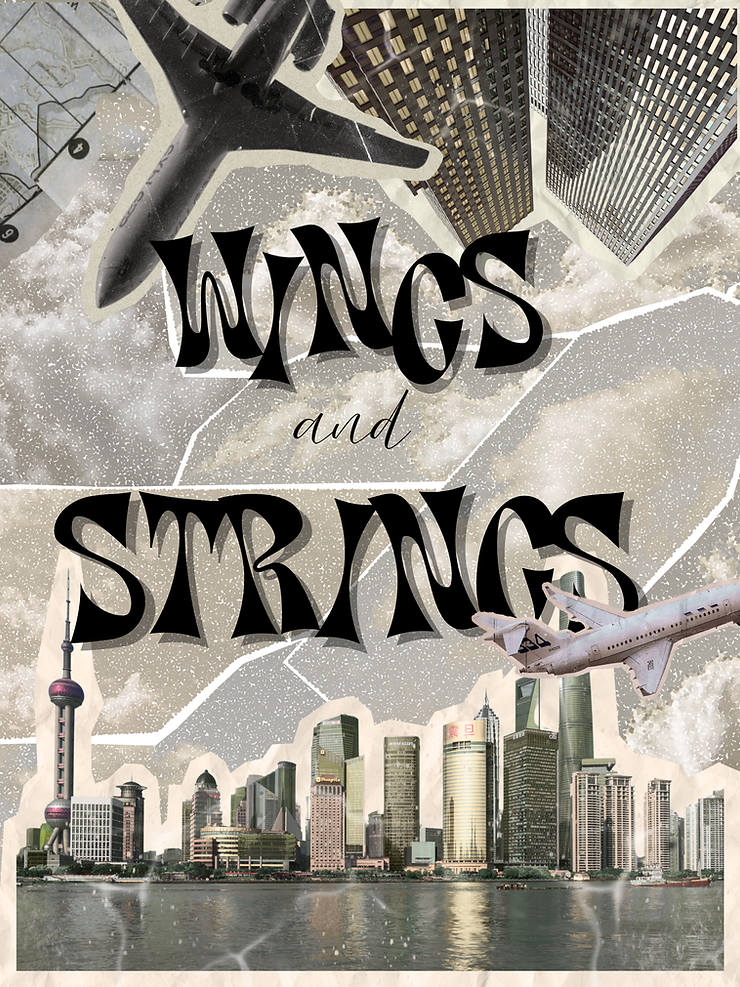
Imagine settling into the cockpit seat, the scent of warm metal mixed with a hint of fuel fills your
nose. As you gaze out at the breathtaking view of the sky through the large curved windscreen,
a sense of serenity washes over you unlike any other. Then, all of a sudden, the ground, once a
tangible thing, now looks like an intricate ant-farm filled with purposeful ants tracing lines across
the landscape and architecture. This is often the public’s perception of what being a pilot is like
– the adrenaline, the excitement, and the prestige. Beyond this romantic view of flight, however,
lies the reality of the heavy responsibilities pilots carry as people constantly place their trust in
them.

There’s no denying the allure of being a pilot. They’re in control of an entire aircraft, travel the globe, and view the world from an entirely different perspective. People may glance into a cockpit after a long flight, imagining life from that seat, one filled with travel and adventure but never grasp the whole picture. They overlook the years prior, which an aspiring pilot needs to spend in training, navigating ground school and logging hundreds of hours in the air. Even after, the learning never stops, rules change, technology evolves, and new challenges emerge. The public’s perception also often fails to understand aspects of a career in the sky such as
discipline, the missed holidays, and the relentless pursuit of precision. Flying isn’t just about pushing a throttle, it’s about making apt decisions when systems fail, weather shifts, or plans go
sideways. Furthermore, on every flight, a pilot carries the huge responsibility for the lives
onboard, and the aircraft itself.
For an airline pilot, the day starts long before takeoff. It begins with reviewing weather patterns,
checking aircraft systems, and coordinating with the co-pilot and crew. Once in the air, the pilot
must communicate effectively with everyone involved and remain ever vigilant. Pilots also have
to constantly deal with the fatigue from time zone shifts and long hours, the pressure to stay on
schedule, and the mental toll from the extreme focus it takes to do the job safely.
The blend of routine and unpredictability are not the only things they need to get used to, the
best pilots are also exceptionally quick on their feet. Situational awareness is also an essential
skill as it keeps them tuned into their environment, monitoring everything from fuel flow to
changing wind patterns. Organisational skills are useful as checklists aren’t suggestions; they’re
lifelines. The ideal pilot is responsible, adaptable, and constantly learning. They respect the
rules but also know when to think independently.

Being a pilot is still, in many ways, a dream job. But it’s a dream grounded in reality. The view from the cockpit is undoubtedly breathtaking, but it’s important to remember that behind the
curtains were sleepless nights and constant training, and that behind every captain’s hat is a person filled with stories of sacrifice, and sky-high responsibility. Furthermore, it’s beneficial to reflect about the things said here and consider whether this is a career you see yourself in the future, because despite the countless burdens, countless rewards follow.


Comments